5 Tips For Beginning Homeschoolers

Homeschooling is gaining in popularity as more and more families consider it as an alternative to public school. However, many people still hesitate to jump in because they aren’t sure how it works.
If you’re interested in homeschooling, but don’t know how to start, this article is for you. I am going to outline 5 tips for beginning homeschoolers to get you and your family started on your homeschool journey.

Tip 1: Learn the Laws in Your State
The first (and arguably most important) step to homeschooling is to do your research on local homeschool laws. Some states are very lax and the homeschool process can be quite simple. However, other states are a lot more strict about homeschooling, which can cause some major issues if you’re not careful.
I don’t say this to scare. I say it to let you know that knowing the rules (and your rights) can make the whole process less stressful. I’ve actually written another post on this very topic that I hope you will find helpful.
It outlines where each state stands on a few key things: whether you have to notify the state of your intent to homeschool, whether your state has any minimum requirements regarding the parents’ education, whether there are any state-mandated subjects you must cover in your homeschool, and whether there are any state-mandated assessments. To learn more, check out my article, “What are the Homeschool Laws in My State?”.
Homeschooling 101: A Guide to Getting Started.
Tip 2: File Your Intent to Homeschool
Depending on which state you live in, you may have to fill out an intent to homeschool form. This form serves multiple purposes. The first purpose is that it notifies your child’s school district that they are not responsible for your child’s education for that academic school year. It also protects you from being prosecuted for truancy.
The intent to homeschool form varies by state, but some of the information you may be required to fill out includes:
Name of parents
Name(s), birth date(s), and grade level(s) of student(s)
Subjects to be covered
Number of hours you plan to homeschool each week
Number of days or weeks you plan to homeschool each academic year
Mailing address
Please note that the deadlines for each state also vary, so you should be clear on that. You should also be aware of what information you are legally required to provide.
Some school districts (or employees) may try to get you to provide additional information- sometimes out of ignorance of homeschool laws. Be clear on what you must provide and don’t be afraid to stand firm on that.
It’s also recommended that when you turn in your intent to homeschool form at the actual school district office, you get some type of dated receipt verifying when you submitted it – just in case you need to provide proof later. We personally do not fill out a notice of intent because we use Homelife Academy for an umbrella.
Tip 3: Get Connected
As with any new endeavor, homeschooling can go a LOT more smoothly when you have a support system and a network of people who are on the same mission as you. I highly recommend getting connected with your local homeschool community.
If you’re not sure if there is a local homeschool community, some great places to check are churches, community centers, libraries, and other family-friendly/educational locations. If you go during the middle of the day on a week day and see parents with school-age children, chances are they homeschool. Find a way to strike up a conversation.
You can also join online communities of homeschoolers and introduce yourself, asking if there are any other homeschoolers in your area. You might be surprised at the response you get.
Often, people don’t know how expansive their local homeschool community is until they get involved. That’s when you learn about all the cool things like homeschool co-ops, playdates, and homeschool extracurricular activities.
The Core: Teaching Your Child the Foundations of Classical Education
Tip 4: Choose Your Curriculum
Once you’ve gotten plugged into the homeschool network, you can start doing even more research. One great place to start is finding out about the homeschool curricula that people love.
Although you are free to do this step earlier, I always recommend doing it after you’ve gotten connected with veteran homeschoolers because then you are able to get people’s honest thoughts on the various options and get some solid advice on where to start based on your particular situation.
Admittedly, choosing a curriculum can feel overwhelming. My advice would be to first list the features that you absolutely require in a curriculum. Perhaps it needs to have a video component for your visual learner. Maybe you want it to include certain subjects and avoid others. Or perhaps you want it to be a complete curriculum that you simply open and use.
Once you know what you are looking for, you can do your research. I would conduct research on your own as well as ask your network for their recommendations or opinions on specific programs. Once you’ve narrowed down your list to a few strong potentials, pick one and get started. Remember, homeschooling is a process.
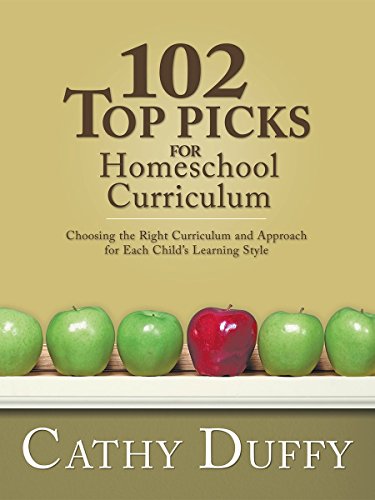
102 Top Picks for Homeschool Curriculum
Tip 5: Figure Out Your Routine
Now that you have the legal stuff taken care of, your support network in place, and your curriculum ready, it’s time to get started. It’s recommended that you attempt to establish some type of routine.
Even if you are a relaxed homeschooler, having some type of routine (though not necessarily a schedule) can be helpful in getting your child used to the learning process. It can be as strict or as flexible as you need.
Some families thrive on having a loose routine that allows for a lot of flexibility and freedom. Others do best when they have their days planned out in a more rigid schedule. Neither way is inherently better – it’s all about what is best for YOUR family.
Again, homeschooling is a process and often involves trial and error. If you try out one method and it doesn’t work – no problem! Just try something else and see how that goes. Eventually, you will find your family’s rhythm, just don’t give up.
The Ultimate Homeschool Planner (BLUE)
Hopefully this will help you to get started homeschooling. The main thing is to know the laws, surround yourself with supportive people, and have fun figuring out what makes your homeschool journey the best fit for your family.