Teaching Kids To Write Effective Letters

Teaching Kids to Write Effective Letters
The writing skills acquired prior to the social media explosion, pre-2000s, are dying out at an alarming rate. If you feel compelled to disagree, check out a few social media posts from people of varying ages. You may or may not need an interpreter.
Among those skills that are deteriorating is the art of writing a good letter. Whether it’s a letter to a friend (man, don’t you miss getting GOOD snail mail) or a letter to your local representative, it’s helpful to know how to make it effective. If you want to teach your kids how to write effective letters, look no further because that’s what we’re talking about today. 
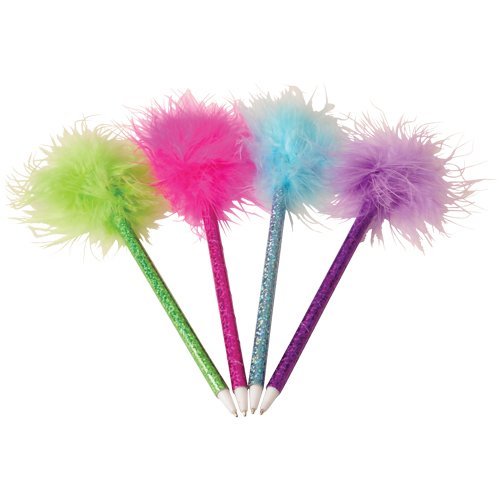
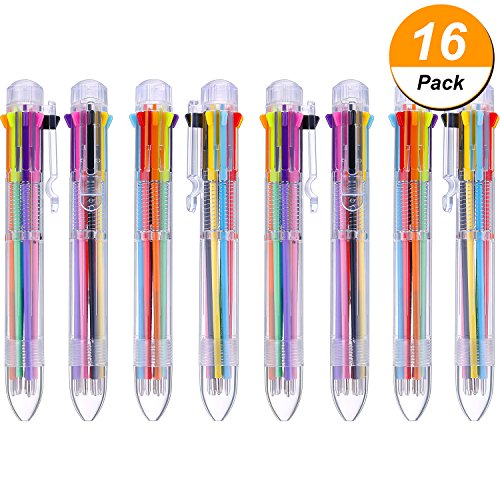
U.S. Toy Childrens Drawing Pens 12 Pack Hicarer 16 Pack Multicolor Pens 8-in-1 Retractable Ballpoint Pens 8 Colors Transparent Barrel Ballpoint Pen for Office School Supplies Students Children Gift
The Benefits of Learning to Write Effective Letters
Okay, so let’s discuss why kids should learn to write letters. Sure, it’s easy to sit behind a computer or hold a device in the palm of your hand and send a digital letter of some sort, whether that be an email or text message. Technology has advanced so much so quick that paper letters are relics.
Obviously, I’m not someone who is against technology. Otherwise, I’d handwrite the pages of this blog and mail them to you. Ha! Could you imagine?! I do believe that emails are just as effective letters. However, I also believe there is one major benefit that people ignore when it comes to writing with pen and paper…

Improve Handwriting
Yes, my friend, even in 2018 it’s still important to have legible handwriting. Our handwriting needs to be legible when filling out applications, filling out paperwork, taking notes, and a myriad of other things that we do often, but probably don’t think twice about. By encouraging your kids to write letters, you are preparing them for all of these instances of adulthood.
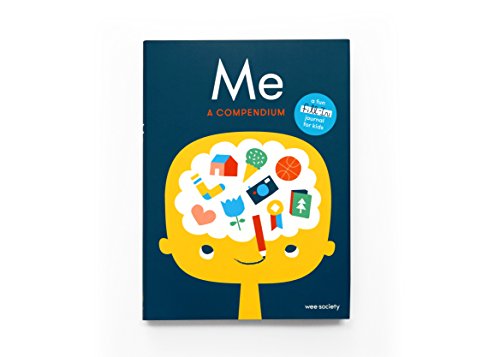
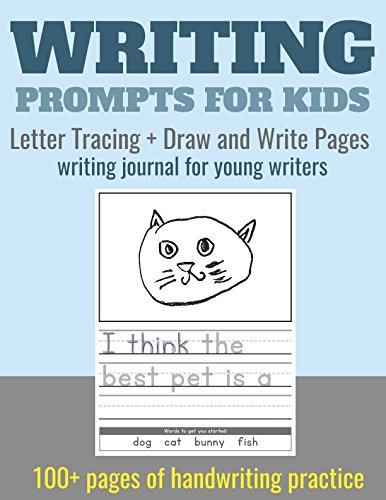
Me: A Compendium: A Fill-in Journal for KidsWriting Prompts for Kids. Letter Tracing + Draw and Write Pages: writing journal for young writers. 100+ pages of handwriting practice for preschool, … 1st grade. (Writing Journal for Kids)
Improve Writing Skills
Practicing letter writing can also help your kids to improve their overall writing skills. When they are in school, they have to write essays and research papers. They will have to fill out applications when applying for college and for jobs. Who knows, maybe one day they will be a world-renowned author or journalist.
Teaching them to write effective letters now is one way to help them hone their writing skills because it will require them to use correct grammar and to learn how to express themselves in a way that others easily understand. Depending on the purpose of the letters they write, they can also learn how to persuade, explain, and ask relevant questions.
Achieve Goals
Speaking of fulfilling a specific purpose, letter writing is a great way to do that. Whether your child is 6 years old and writing their first letter to Santa or 26 years old and writing a letter to congress, this skill can help them to vocalize the things they find important and, hopefully, inspire some progress towards important goals.
Build Self Confidence
If there is one thing that can boost your self-confidence, it’s seeing your progress in some area. Sure, other people can point out your progress and make you feel good, but there is something about reflecting at how far you have come that makes it seem even more real. As your child’s grammar, handwriting, and communication skills improve, so will their confidence. And, as Martha Stewart would say, “it’s a good thing”.
24 Top Secret Sleuth Party NotepadsSpiral Prism Notepads – 2.25
Build Stronger Relationships
Ok, let’s look at a couple of scenarios….
Friend # 1 hasn’t seen you in 3 months and wants to catch up. She sends you a message on social media, “Hey, long time no see! I miss hanging out with you. We should get together sometime! How’s the family doing? Wanna go out next month?”
Friend #2 hasn’t seen you in 3 months and wants to catch up. She sits down one day and writes you a 4-page letter telling you about some of the stuff that has been going on in her life. She asks about how your family is doing and reminisces a bit about a funny memory. Then, she invites you to get together for brunch and a spa day next month.
Both messages may very well make you smile and solidify plans to hang out, but doesn’t Friend #2 seem much more emotionally invested? People cherish letters more than they cherish emails and text messages.
And, chances are, if you receive a long, detailed letter in the mail, you’re more likely to write a long, detailed letter in response. Which means that the quality of your correspondences will probably be that much more deep and meaningful.
By learning to write letters, your child can also develop deeper, more meaningful relationships with the people they care about and are teaching much-needed life skills.
Handwriting Practice for Kids: A Printing Practice Workbook – Capital & Lowercase Letter Tracing and Word Writing Practice for Kids Ages 3-5, Both … Kindergarten (Handwriting Workbook)QingLanJian 24 Cute Writing Paper Letter Stationary Set With 12 Envelopes
Explaining the Letter Writing Process
Now that we’ve covered the benefits to your child writing letters, let’s get down to the mechanics. There are 5 general parts of a letter.
Heading
The heading of the letter should include your name, your return address (so they can write back), and also the date of which the letter was written.
You can also include additional contact information such as your phone number and/or email address. The heading is typically written in the top right-hand corner of the first page. If the letter is formal, you should also include the recipient’s address below yours on the left-hand side of the paper.
Greeting
The next thing to write is the greeting. If the letter is informal, it can be something as simple as “Dear James”, “Hi James” or “James”. However, if the letter is more formal in nature, the greeting should reflect that.
Some options to consider when sending formal letters are “Dear Mrs/Mr/Ms” if you know the person’s name. If you do not, rather than using “To Whom it May Concern,” you can use “Dear Sir or Madam.” If the person has an official title, use the official title rather than Mr. or Mrs. An official title include Doctor (Dr.), Senator (Sen.), just to name a few.
Body
This is where you get to the purpose of your letter. Ideally, the first letter would introduce who you are (if they do not know already) and why you are writing. Then you would continue on with a new paragraph for each main idea. The body should end with any requests for action that are relevant for your message. For example, if it is a letter to a loved one, you could ask them to write back to you.
Closing
With the main part of the letter completed, it is time to close out. Typically, you will end with a short, positive expression. Some examples are “Yours truly”, “Sincerely yours”, “Hope to hear from you soon”, “See you later”, “With lots of love”, “Respectfully,” and so on.
Signature
The final part of the letter is the signature. It may be tempting to end with a cursive signature, but it’s actually recommended that the name be printed so that there is no confusion about who wrote the letter. You can add a cursive signature underneath if you wish.
Looking for a few letter writing activities your child can use to practice? Check out my post, “Types of Letters Kids Can Write”.