10 Things I Wish I Known About Homeschooling
Homeschooling has been the absolute best decision for my family. I would be lying, though, if I didn’t admit we’ve had our fair share of bumps in the road along the way. But that’s to be expected with any journey.
However, there are some things I wish I knew before I started homeschooling. I thought I’d share those things with you. Perhaps they can help you on your homeschool journey as well.
There Will Be Tough Days
When you first make the decision to homeschool, it’s easy to believe that it will be all rainbows and sunshine. You may imagine that you will wake up every morning to children who are excited to learn.
That your days will be filled with smiles, laughter and joy. That your kids will soak up everything you are teaching them with ease and that everything will go exactly as you planned it.
In reality, there are days when your plans will be flipped upside down, your kids will complain about everything, nothing seems to be clicking, and you just want to crawl back in bed for a do-over. No one warns you about the battle of the wills that occasionally transpires.
This is normal and, quite frankly, is to be expected. There will be tough days. Education in general can be a challenge – homeschool is no exception. If you were able to see my personal Facebook feed of my public school teacher friends complaining, you wouldn’t feel so bad.
And yet, these same friends return year after year to teach. Don’t let bad days convince you that you’re a failure at homeschooling. We all have them!
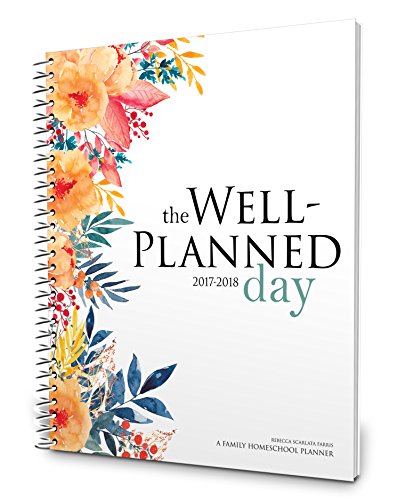
Well Planned Day, Family Homeschool Planner, July 2017 – June 2018
Have a Routine, But Be Flexible
One major benefit of homeschooling is that you don’t have to adhere to a strict or tight schedule. We appreciate the freedom afforded to us by being able to homeschool how, when, and where we want.
However, one thing I’ve learned is that even if we don’t have a schedule, having a routine is still a good idea. Kids thrive when they have a general idea of what to expect during the day. And it helps parents to stay on track and get through the day more smoothly.

Having a routine, rather than a schedule, also allows for some of that flexibility that we crave. For example, you could have the routine of doing 3 lessons per day.
The flexibility comes in by being able to fit those lessons in at any time during the day. That way, if something cool or fun pops up, you don’t have to miss out because you’re trying to stick to a schedule. You can do the fun thing and then focus on finishing up your lessons before or after.
You Don’t Have to Do It Alone
Sometimes, especially when you live in an area where homeschooling is not popular, it can feel as though we are all alone in this journey. It can feel lonely and stressful to not have support.
When the people closest to you are openly against homeschooling, it can feel even worse. However, you don’t have to do this alone. The homeschool community is large and widespread. There are plenty of online support groups that you can join.
You can find countless private Facebook groups designed to not only provide homeschoolers with support, but to give us a place to share tips, tools and resources. I think ours is the best though! 😉
You may also be surprised to find out that there may be an active homeschool group in your own community or a neighboring one. If there is a Facebook group for your town, try posting to see if there are any homeschoolers in the area.
Or simply head to the library or park during the school day to see if there are any other families there with school-age children. They just might be homeschoolers.
All Kids Develop at a Different Rate
If you’re a parent of multiple children, you know this already. However, it is something that is easily forgotten when our children start school – whether public school or homeschool.
We hear about the academic progress of other children and begin to worry about whether our children are on track. While it is normal and healthy to track your child’s development, it is not a good idea to do so in comparison to other children.
One child may start reading at 4 years old while another may not show signs of wanting to read until they are 6. This is not only true with random children, but has never been more truer among siblings.
Some excel at math from the beginning while others may struggle. All kids easily understand a certain subject more easily than another child.
If you are concerned about your child’s progress, there is nothing wrong with talking to their pediatrician to see if some type of intervention is recommended. But don’t stress yourself out by trying to make sure your kids “keep up with the Joneses.”


Each Homeschool Looks Different
Just as each child is different, so is each homeschool. While one homeschool family may flourish by having a tight schedule and a strict curriculum, another may do best with a more relaxed routine and an eclectic curriculum.
While I believe it is natural to find inspiration in how other homeschoolers operate, I think it can be all too easy for that feeling of inspiration to morph into either jealousy or a feeling that the way they do things is the way you should do things.
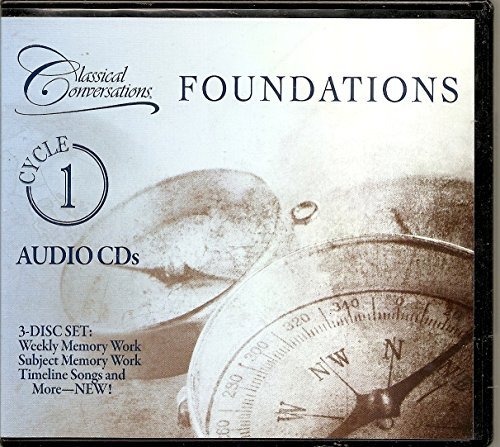
Classical Conversations: Foundations Cycle 1 (Weekly CD, Subject CD, Timeline & More CD)
Don’t try to fit your homeschool into a box that was custom-made to fit another homeschool. Design a routine and curriculum with your family in mind.
Personally, we are very eclectic, but I like teaching classical. So we have found Classical Conversations (CC) to be a good fit for our family. However, I teach CC very eclectic, too. I mix up what we teach.
I spend hours compiling my own book lists and resources that work for our family. I am not a straight out of the box curriculum type person and neither are my kids.
For example, my oldest, who is a teen, has a heavy workload in CC Challenge and it is pushing him to learn more. Two years ago he wouldn’t have been ready for this challenge.
Our learning methods have enabled him to succeed and I am sure my other two will follow the same path. All of them have scored in the highest for standardized tests.
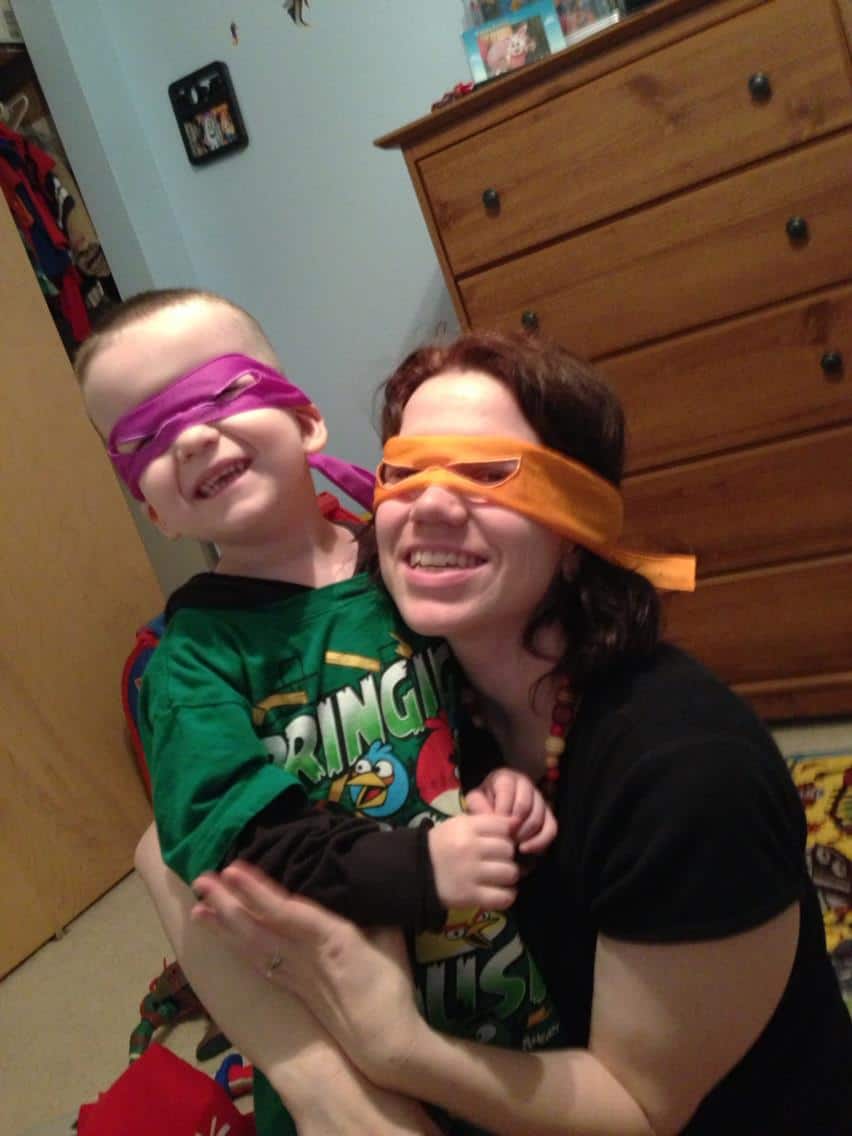
Homeschool Doesn’t Have to Model Public School
It can be tempting to model your homeschool after your public school experience. This means having 4-7 subjects taught per day. Although we all want to make sure our kids can keep up with (or surpass) their public school counterparts, that doesn’t mean that we must do all the things that public schools are doing.
Figure out what your state’s educational standards are as far as which subjects your child is required to study and use that as a guideline. But also feel free to play around with your curriculum. I recommend taking your child’s natural interests into account and using that to inform your curriculum.
For example, if your child is struggling to read, but loves learning about how things work, you can create a curriculum that includes a lot of lessons on things like science and technology that require a lot of reading, but revolve around topics that your child will enjoy.
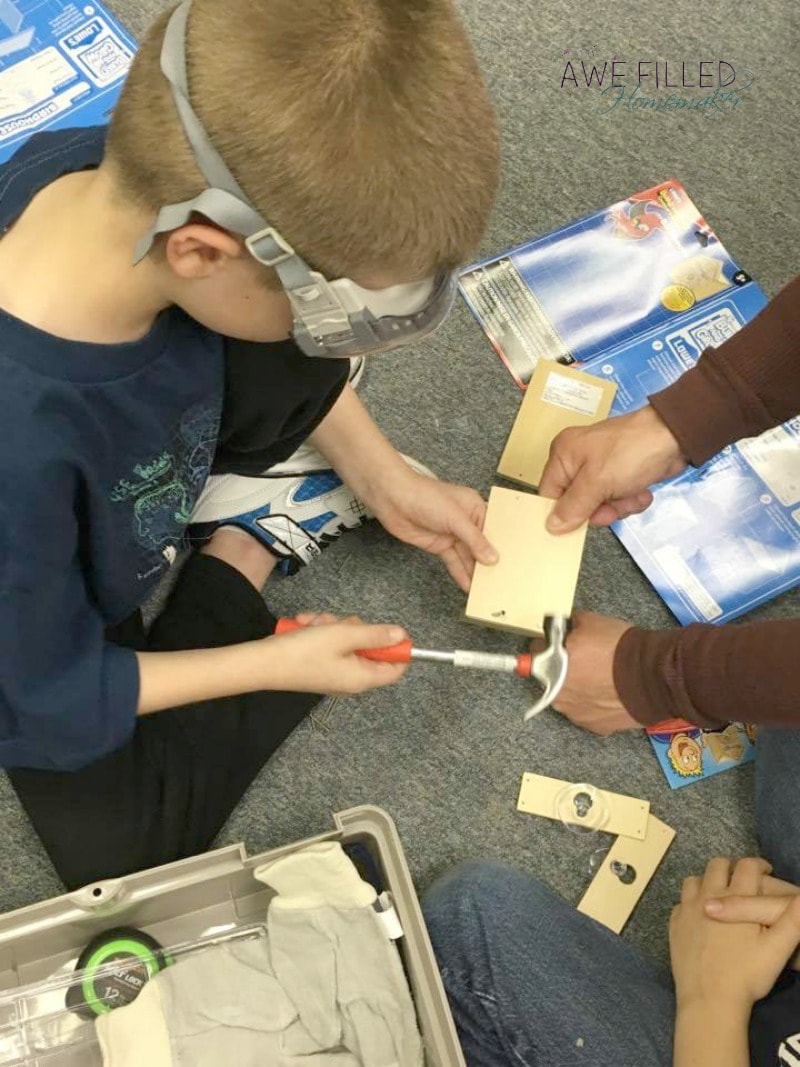
Socialization Is More Than Extracurricular Activities
“What about socialization?” This is a question that we are often asked by non-homeschoolers. It is also one that tends to rub us the wrong way. Of course we care about socialization. We’re they’re parents!
However, I think that sometimes we are so determined to prove that our kids don’t have any social issues that we can be blinded when our kids DO need more opportunities to practice their social skills.
I think it is great to take advantage of the wide variety of groups, clubs, events, and activities available to homeschoolers. However, I also think it is important to schedule in unstructured socialization so that our kids can socialize without the constraints of agendas or lessons.
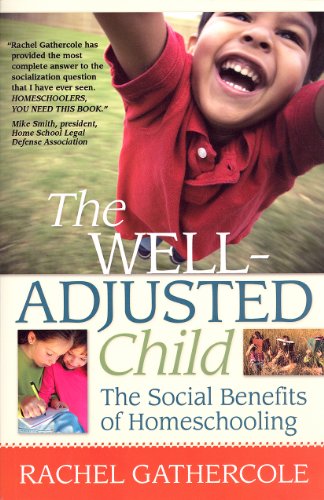
That’s why I am a huge fan of homeschoolers getting together for play dates, sleepovers, and relaxed field trips. They allow our children opportunities to get to know each other, resolve problems, make plans, and practice other social skills that they will need to navigate life.

The Well-Adjusted Child: The Social Benefits of Homeschooling
It’s All Trial and Error
I can’t think of a single homeschooler (myself included) who knew exactly what they were doing right from the beginning. We’ve all bought materials that didn’t quite fit our needs, signed up for activities that didn’t really work out, and switched up our routine at least once.
We experiment repeatedly. Once we find the perfect fit, we KNOW it because we’ve experimented so much. Don’t make the mistake of believing that any decision you make about homeschooling is set in stone.
Try things out, but be flexible enough to move on if you realize that something isn’t working out. After all, the beauty of homeschool is having the freedom to keep trying things until you find the things that work best for your family.

You Can Homeschool on a Budget
Homeschooling can seem like a very expensive undertaking, especially when we think about all the resources available to public school students. In fact, we think that public school parents have it easy.
Sure, they have to buy pencil, paper, notebooks, crayons, markers, and other items from assigned school supply lists, but that’s just a fraction of what homeschoolers must provide.
We have to provide all of those things PLUS computers, textbooks, reading books, workbooks, etc. We also have to pay for all of the extracurricular activities (and any materials that those require).
Not to mention the gas we put in the car for all of the shuttling back and forth to field trips, club meetings, practices and games. It all seems to add up fast!
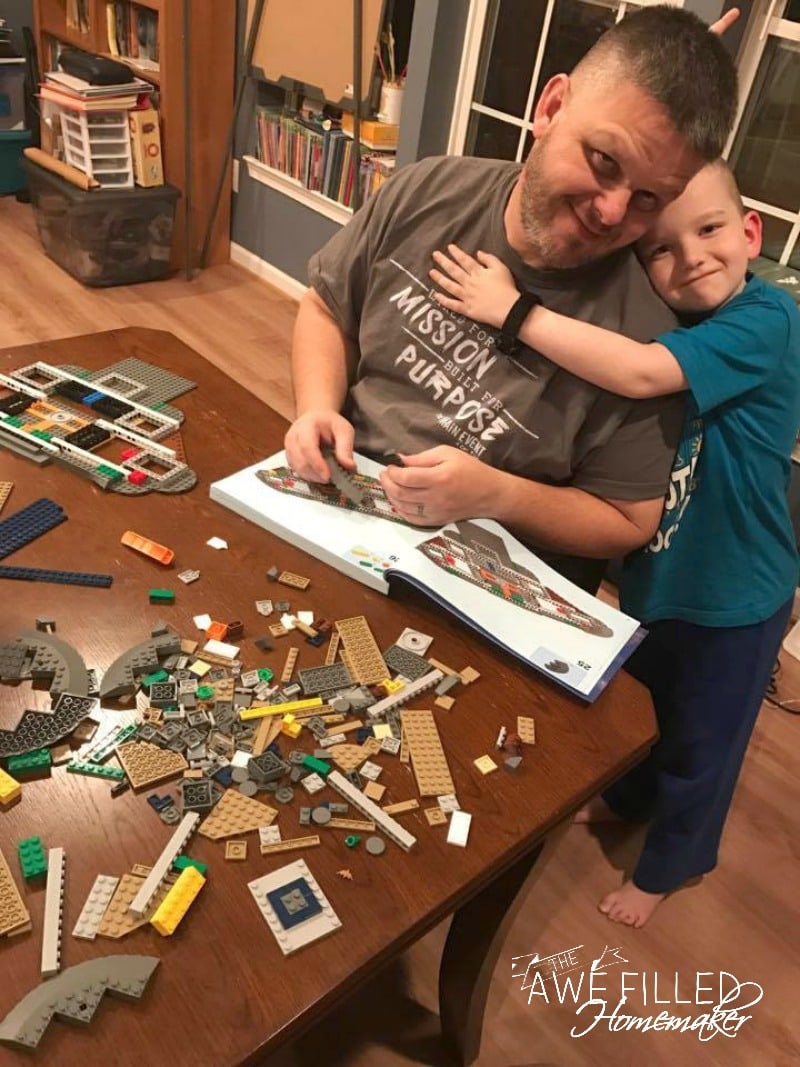
When we think about all of the expenses associated with providing our children with a quality education, it can be daunting. Do not fret! It is possible to homeschool your children effectively, even if you have a shoestring budget.
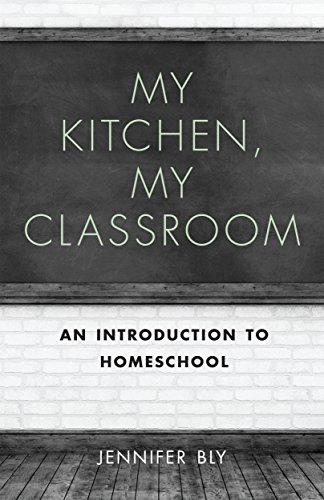
My Kitchen, My Classroom: An Introduction to Homeschool
One way to save money on homeschool materials (and extracurricular activity equipment) is to buy items that are used or refurbished. You can find items either online or from local homeschoolers.
Connect with your local homeschool community to find out if there are any annual homeschool sales/swaps or if there are any groups where people post things for sale. Many homeschoolers sell their used materials once they no longer need it, so you may be able to score some great deals.
Another way to save money on homeschool expenses is to take advantage of educator discounts. Despite what you may think, homeschool educators are often eligible for these types of discounts even at national stores.
You can use these discounts to save money on school supplies, electronics, clothes, toys, games, and maybe even membership fees. If you are in doubt about whether a company offers an educator discount, simply ask. At worst, they say no.
Many companies require proof of educator status. That is where an educator id comes in handy. You can get one through the Homeschool Buyer’s Co-op.

You can also find plenty of free and affordable homeschool resources like printables, eBooks, videos, etc. online. For example, I offer several low-priced unit studies on topics like weather, pirates, and Dr. Seuss.
You can also take advantage of Netflix, Youtube, Hulu, and podcasts to learn about a wide variety of topics without paying anything more than what you already pay each month. I also send out freebies often my subscribers here. Some are helpful for mom, but many are for homeschoolers.
If you’re not subscribed, I encourage you to do that so you don’t miss out on freebies and be afforded another opportunity to save money.

Make Time for Yourself
Last, but not least, make sure you are engaging in self-care. Listen, homeschooling can be challenging! A fulfilling challenge, but a challenge nonetheless. It can be easy to become overwhelmed and burned out.
Making time to relax and do things you enjoy can help you cope more readily. Even if it is something as simple as reading one new book each month for leisure, taking a hot bubble bath at least once a week, or getting together for a monthly Mom’s Night Out, it can make a huge difference.
As moms, we are so used to putting everyone else first that spending time or money ourselves doesn’t come easily. It may even seem selfish. However, it is something that will benefit everyone in the long run. Make time to recharge regularly so that you can give your best to your family.
Lavender Renewal Spa Relaxing Bath and Body Gift Basket Set, Medium


These are a few lessons that I think would come in handy for anyone who is starting out on their homeschool journey. It may even come in handy for those of us who have been homeschooling for a while. What do you think? Let me know in the comments below!
In Awe,