

The Benefits of Learning a Second Language


How to Teach Your Homeschooler a Second Language
Have you ever met someone who speaks a foreign language fluently and with perfect accents? It’s impressive! Not only is it impressive, it is jealousy-inducing, especially when you consider the advantages associated with being fluent in two or more languages.
We have been blessed to live in areas where cultural diversity was the norm, including using a second language fluently.
Benefits of Being Bilingual
Second language learning produces better global citizens
Learning a new language not only enables you to be able to communicate with people from different cultures, it also helps you to learn about (and appreciate) different cultures. In our increasingly globalized society, this is critical.

(Mexico- from our time stationed on the border)
Join: Awe Filled Homeschool Connect on Facebook!
Learning a new language expands your brain
When you learn a second language, it expands the language center in your brain. This makes it easier for you to learn a third (or even fourth) language. If you’ve ever dreamed about your child being able to travel across Europe, speaking to people in different countries in their native tongue, teaching them a second language is the first step.
In some countries, kids learn 3 to 4 languages before they are college-age! As a matter of fact, many countries require children to learn English as a second language!
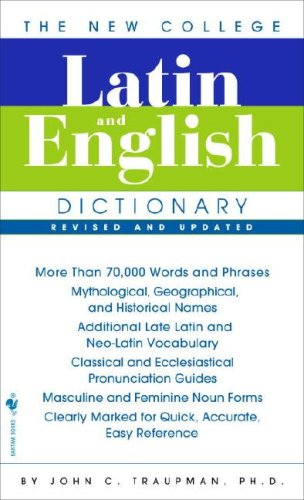
First Form Latin Set  Henle Latin First YearGetting Started with LatinThe Bantam New College Latin & English Dictionary English Grammar for Students of Latin




Bilingual people are more creative
Studies have shown that people who are fluent in more than one language are creative thinkers, have strong problem-solving skills, and are better able to “think outside the box” than their monolingual counterparts.
It gives you a workforce advantage
Every job application I have ever seen asks you if you are fluent in any other languages. Being able to list even one additional language can help to set you apart from other applicants. In fact, there are some jobs you don’t even qualify for unless you speak a second language.

(Seoul, South Korea- from when we were stationed over there.)
Bilingualism protects cognition over time
Research suggests that bilingual individuals have a delayed onset of cognitive degeneration disease such as Alzheimer’s and Dementia. It is believed that by exercising the brain through learning and practicing multiple languages you strengthen your brain.
Learning a second language helps you master your native language
Although it may seem like learning a second language at an early age may make it more difficult to learn one’s native tongue, research shows that it can help learning your native language easier.
For example, studying “dead” languages like Latin or Greek can help you understand various aspects of English, such as grammar, word roots, prefixes, and suffixes.
This is part one of a language series that we are doing! Don’t miss the next two posts in the series that will be coming soon! I will be breaking it down, including what curriculum we use!
In Awe,


