

Oil and Food Coloring Science Experiment

Oil and Food Coloring Science Experiment
As a homeschool family, there are times when I must pull up my big girl sleeves and get down and dirty with a science experiment. My husband is amazing at Science and coming up with projects.
However, I am just not that creative. So while it may not be one of the areas that I excel in, it’s still an area that I find extremely interesting.
And can you blame me? I actually enjoy teaching it and if my husband can help me come up with simple enough projects, I am not have bad at carrying out the experiments.
Science is everywhere and all around us. Not only does science provide facts and reasoning, it also evolves over time. How cool is it to live in a time where the scientists of the world are discovering new things each and every day?
Pretty mind-boggling, right? And while I do enjoy learning about all things science, I’m typically not one to create and be a part of science experiments.

The exception to the rule is simple but awesome projects. I love and enjoy it when my husband can help me come up with Science projects where I don’t have to buy out Amazon.
Using ingredients that are simple to get and we have on hand are keys to my enjoying a project. This Oil and Food Coloring Science Experiment is perfection!
Not only did it intrigue me, I never once felt as though it was an experiment that I couldn’t do. To me, that’s huge. Not only is it super interesting, its super simple as well.
In fact, if you are having a science experiment day in your homeschool classroom and are looking for another great science experiment to pair with this one, check out my Popcorn and Salt Science Experiment!. You and your student will have a blast with both!
Oil and Food Coloring Science Experiment
Materials Needed

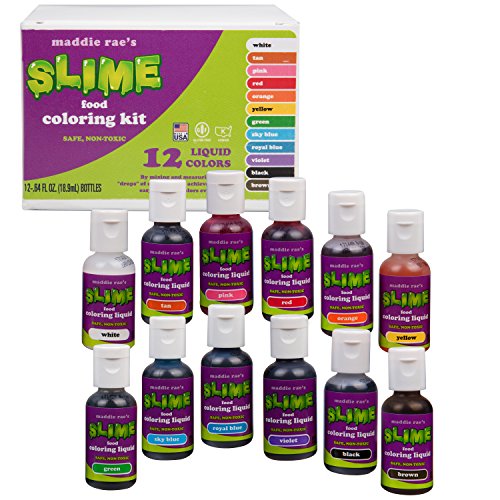
- 2-3 small bottles of food coloring (any colors are fine!)
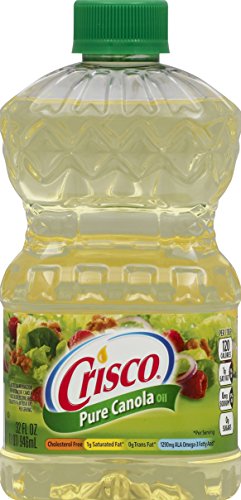
- Vegetable or canola oil
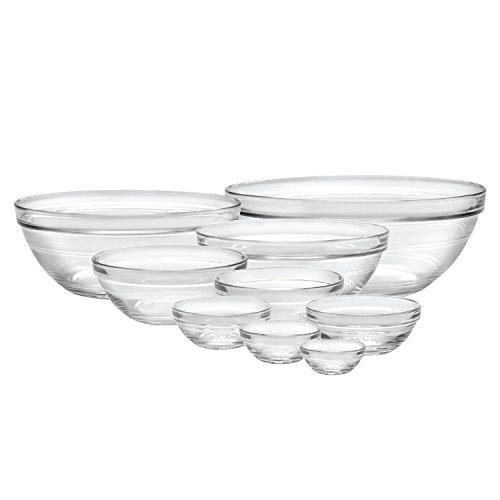
- 4 six (6) ounce glass jars or small glass bowls
- Spoon(s)
Maddie Rae’s Food Coloring Kit – 12 Color Variety Kit – Safe, Food Grade Non Toxic Formula for all Slime Making Crisco Pure Canola Oil, 32 OunceDuralex 100009 Made In France Lys Stackable 9-Piece Bowl Set
Directions
- Explain the activity to your child by telling them that you are going to do an experiment where you will be adding food color to oil. Begin by asking your child what they think will happen when you combine the two.
- Fill the glass jars (or bowls) with oil.
- Squeeze a few drops of food coloring into the oil and watch what happens.

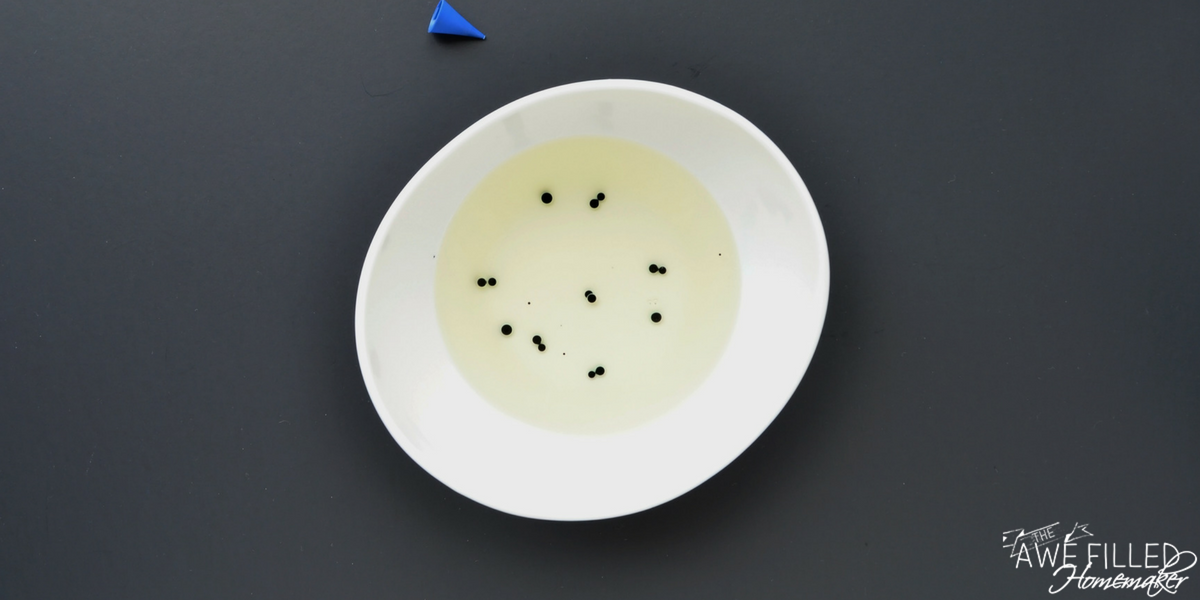
- Try stirring the food coloring with the spoon. Do the colors blend together or stay separated?

Once the experiment has been done several times, it’s time to talk about what happened and discuss the steps and the outcome together. Ask your child the question below as well to help start conversations revolving around the experiment.
- Did the food coloring mix with the oil or separate?
Once they give their answer, have them try the experiment again but with different food coloring colors to see if that makes a difference in the outcome.
You can have them also think about what was learned with a Scientific Method Worksheet. Remember in Science that a hypothesis is a well thought out prediction. I have a FREE Scientific Method Worksheet that will help in creating your hypothesis. Just click below to get yours
Repeat the steps as many times as you and your student want. Enjoy!
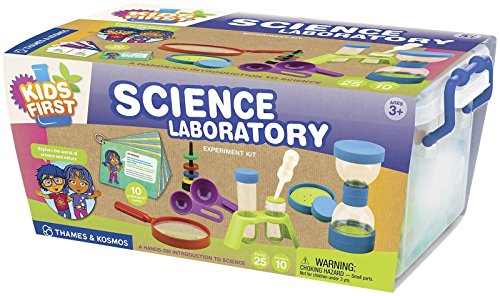
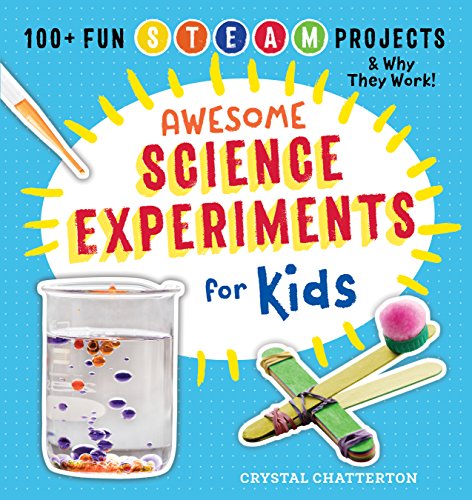
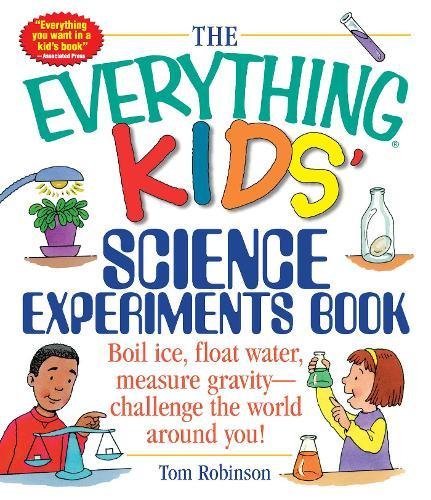
Kids First Science Laboratory KitAwesome Science Experiments for Kids: 100+ Fun STEM/STEAM Projects and Why They WorkThe Everything Kids’ Science Experiments Book: Boil Ice, Float Water, Measure Gravity-Challenge the World Around You!
Have fun with your little one on this science experiment. It’s interesting and allows for great questions and conversations!


