

3 Science Experiments You Can Do With Materials In Your Home


3 Science Experiments You Can Do With Materials in Your Home
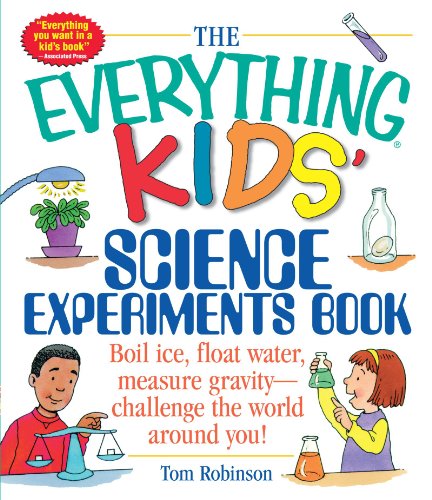
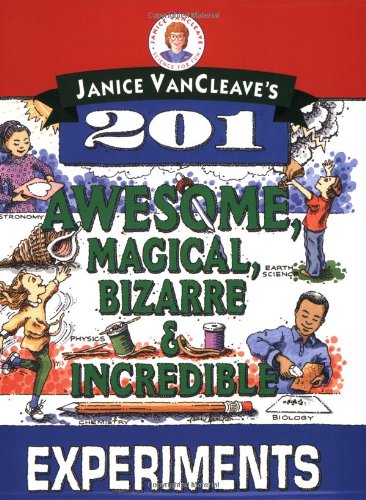
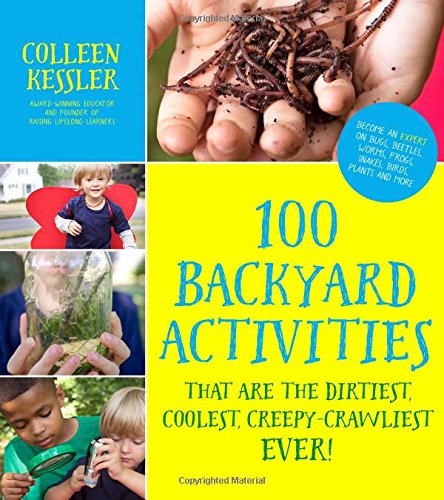
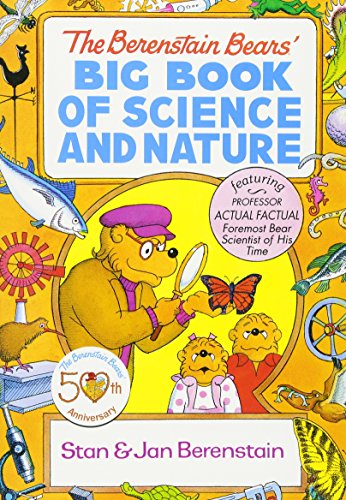
One of my struggles as a homeschool mom is Science. I do not mind to teach science, but the experiments were another story! My mother & my husband are officially the science experiment experts in our house. Through the years we have used several books that helped us come up with experiments for the kids. Here are a few:
The Everything Kids’ Science Experiments Book: Boil Ice, Float Water Awesome, Magical, Bizarre, & Incredible Experiments Dirtiest, Coolest, Creepy-Crawliest Ever!: Become an ExpertThe Berenstain Bears’ Big Book of Science and Nature (Dover Children’s Science Books)
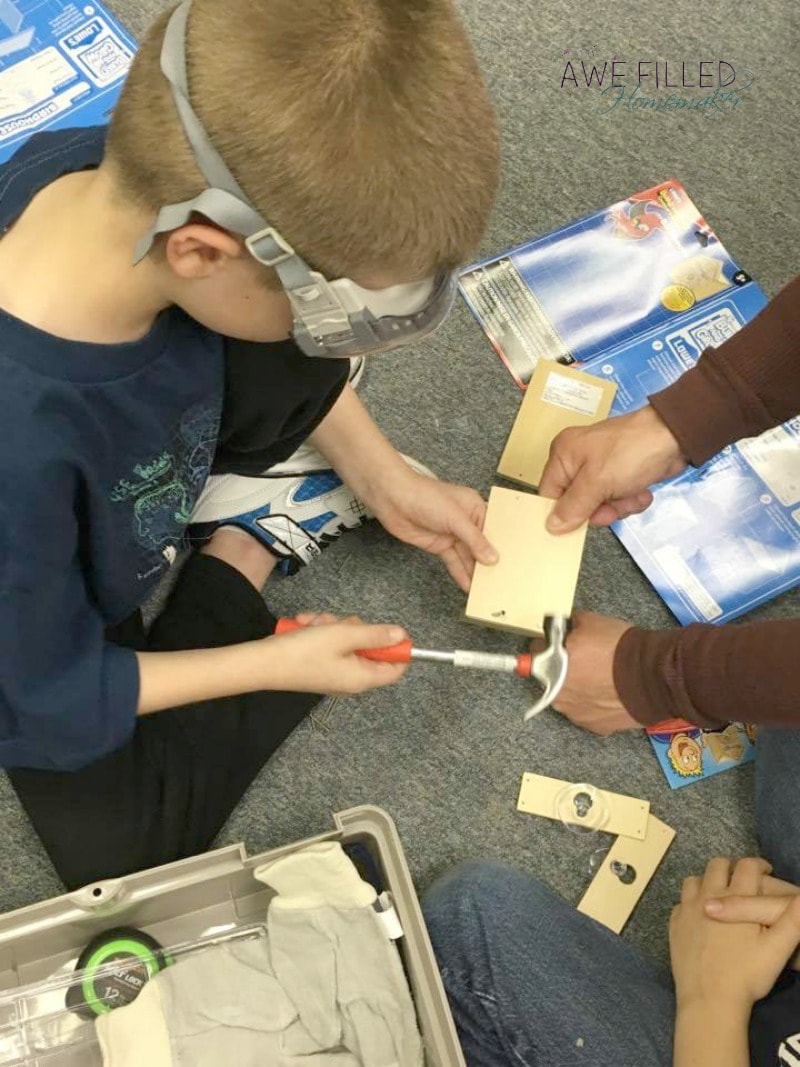
Science is extremely good for kids for a variety of reasons. Here are just a few of those reasons-
- Science experiments involve communication with others
- Helps kids learn patience as well as perseverance
- Science is a great way to teach kids about the world around them
- With Science, kids can learn that they can help solve problems in the world
Join: Awe Filled Homeschool Connect on Facebook!
We have found that the best approach to learning is by doing and science experiments provide a way for our kids to question, experiment, and play! Believe it or not, you probably have everything you need in your home right now to get started on some incredible learning activities connected to your curriculum. Here are 3 science experiments you can do with materials in your home.
1. Tornado in a Bottle
***What You Need:
-Two empty plastic bottles
-Tape -Water
In this activity, your kids will take two bottles (one filled partially with water) and tape their spouts together. Instantly, they’ll see how difficult it is for the water from the bottle filled to transfer to the second bottle.
When they swirl the bottles (circular motion), the water will form a tornado. Add food coloring or oil for a bit more fun! Get the full instructions here. Try it with one bottle or a mason jar.
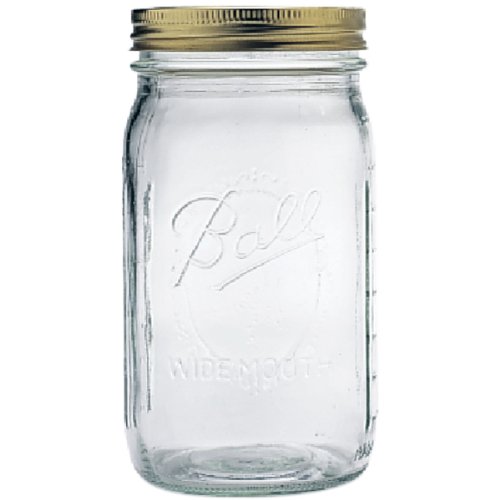
Ball Quart Jar, Wide Mouth, Set of 12
What Your Kids Will Learn:
The swirling “tornado” or “whirlpool” is really a vortex. Gravity causes the liquid to come through the whole, but the rotating motion is what forms the vortex. Use this to talk about weather and how tornadoes form. Grab my weather unit study here!
2. Tie Dye Milk
***What You Need:
-Whole Milk (It must be whole because the fat molecules are what react with the coloring.)
-A shallow, clear dish
-Food coloring
-Dish soap-Q-tips
Chemistry and art make for some amazing experiments! The fun starts with milk in the glass dish. Then your child will begin to drop food coloring into the dish.
Next, your student will dip a dish soap-covered Q-tip in the milk concoction. Watch as beautiful tie dye patterns emerge! See complete instructions here.
What Your Kids Will Learn:
It’s all about chemistry! The chemical reactions are due to the reaction of the fat molecules in the milk when a dish soap is introduced. Check out more about the science behind this at-home experiment!
3. Fit an Egg in a Bottle
***What You Need:
-Wide-mouth glass bottle (opening should be smaller than an egg)
-Hard-boiled egg
-Matches
-Newspaper
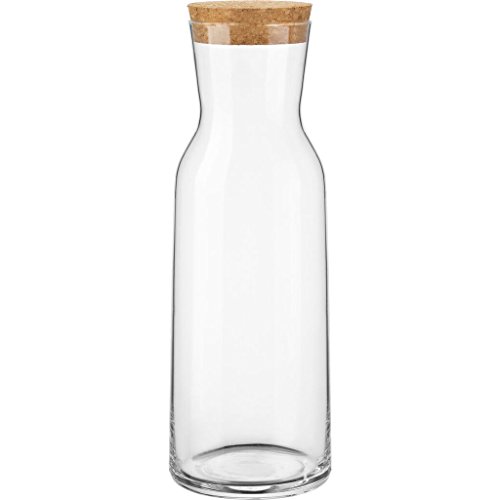
Bormioli Rocco Aquaria Jug With Cork Lid, 41 Ounce, Clear
Start by boiling an egg. Then insert strips of newspaper into the glass bottle. Drop in a match (carefully with adult supervision) so it burns up the strips. Immediately, place the egg over the opening.
Have your child try to flip the bottle over to get the egg out. It won’t work without destroying the egg. To remove the egg, have them put their mouth over the bottle and blow! The egg will then pop out fully intact. Wow! Watch the experiment in action.
What Your Kids Will Learn:
This experiment is about air pressure. Heat generated from the matches and burning paper causes the bottle to expand. Once it cools down, the bottle contracts, trapping the egg inside. Here is a variation on the egg experiment you can try with your kids!
There are so many Science experiments you can do right in your home with materials you have on hand. Science doesn’t have to be expensive. Below is my middle son during another experiment we completed.
More Recommended Science Materials-
Archimedes and the Door of Science (Living History Library)Galen and the Gateway to Medicine (Living History Library)The Mystery of the Periodic Table (Living History Library) Along Came GalileoThe Wonder Book of Chemistry
Learning by exploration and play is so valuable for our kids. Try out these 3 science experiments you can do with materials in your home for quick, affordable ways to learn about weather, chemistry and air pressure!
Also- don’t forget to grab your FREE Scientific Method Worksheet!
In Awe,


